Phone Support: MON-FRI 7:30AM-4PM (PST)
Equip your automotive shop, service facility or home garage with professional automotive shop equipment and tools designed for vehicle repair, maintenance, diagnostics and service. From lifting vehicles and servicing tires to diagnosing problems and handling everyday shop repairs, the right equipment can help create a safer, more productive workspace.
GarageAppeal.com offers automotive equipment for professional repair shops, dealerships, service centers and serious home garages. Explore car lifts, wheel service equipment, diagnostic tools, auto body and paint equipment, shop equipment, vehicle service tools and other products from leading automotive equipment manufacturers.
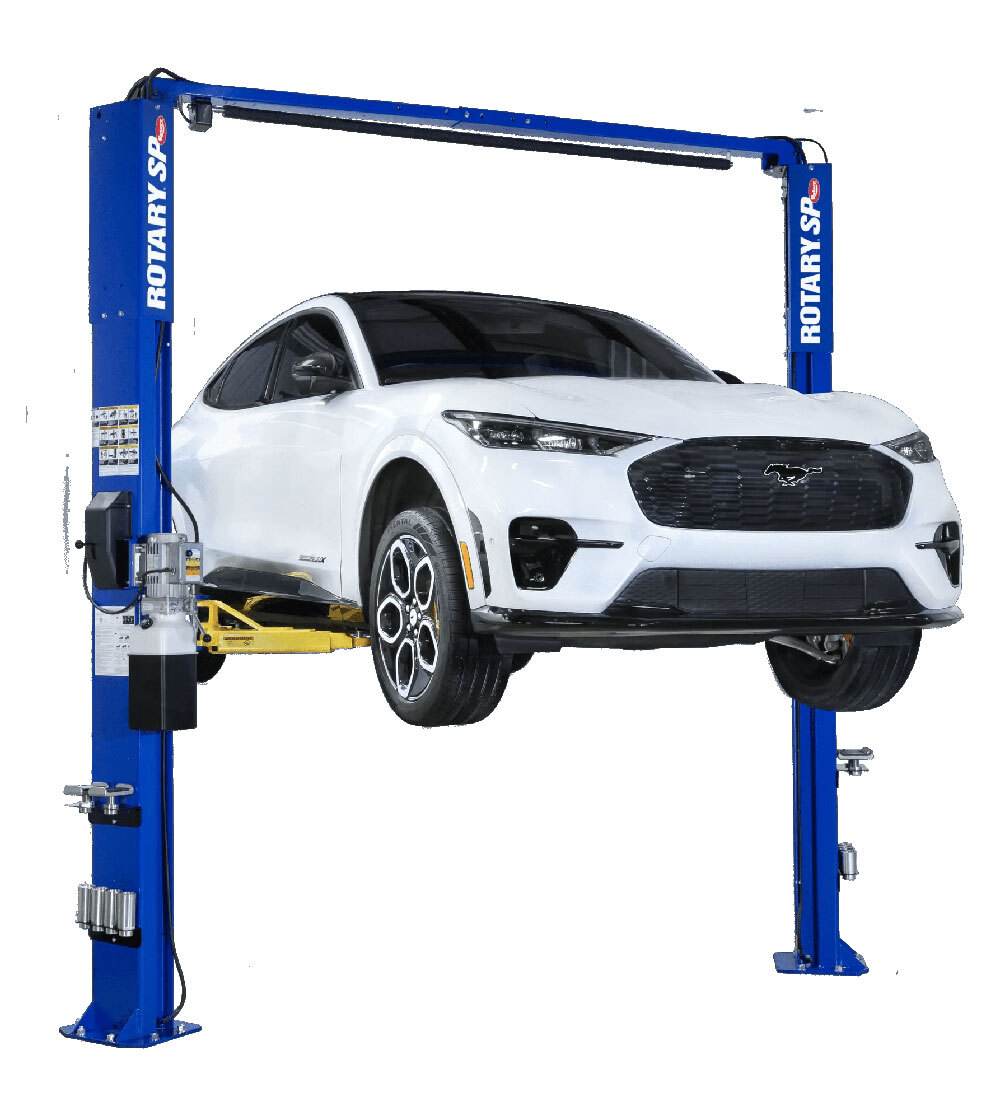
Car Lifts are among the most important pieces of equipment in many automotive shops. Raising a vehicle provides better access for inspections, maintenance, suspension work, exhaust service, tire service and many other repairs.
Different applications require different lift designs. Options may include 2-post lifts, 4-post lifts, parking lifts, scissor lifts, portable lifts, single-post lifts and other specialty lifting equipment.
Before selecting a car lift, consider vehicle weight, available ceiling height, floor requirements, bay dimensions and the type of work being performed. Professional shops should also consider lift capacity, certification requirements and anticipated vehicle mix.
Professional Wheel Service equipment can help automotive shops perform tire and wheel work efficiently and accurately.
Wheel service equipment includes tire changers, wheel balancers, alignment equipment and related tools designed for passenger vehicles, light trucks and other applications.
Choosing the right equipment depends on the vehicles your shop services, wheel and tire sizes, service volume and the level of automation desired. Shops handling specialty wheels, low-profile tires or high-volume tire service may benefit from more advanced tire changing and balancing equipment.
Modern vehicles rely on increasingly sophisticated electronic systems, making Diagnostic Tools an essential part of automotive service and repair.
Professional automotive diagnostic tools can help technicians identify faults, access vehicle systems, perform service functions and complete advanced diagnostic procedures. Depending on the tool, capabilities may include code reading and clearing, live data, bidirectional controls, module programming, vehicle communication and other advanced functions.
Diagnostic equipment can range from compact scan tools to professional diagnostic tablets, vehicle communication interfaces and specialized testing equipment.
When choosing a diagnostic tool, consider vehicle coverage, required functions, software updates and the types of vehicles your shop regularly services.
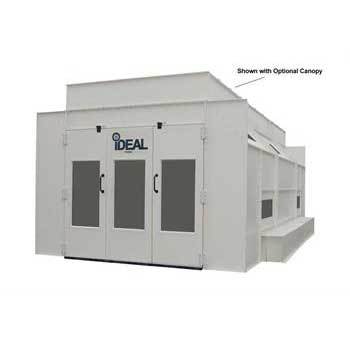
Auto Body & Paint equipment supports collision repair, refinishing, dent repair and other body shop applications.
Depending on the type of work performed, body shops may require paint booths, frame and measuring equipment, dent repair tools, welding equipment, vehicle preparation equipment and other specialized products.
Selecting professional auto body shop equipment based on workflow and repair volume can help create a more efficient repair process while providing technicians with the appropriate tools for each stage of the job.
General Shop Equipment supports many of the everyday tasks performed in automotive repair facilities.
This broad category can include floor jacks, jack stands, shop presses, engine cranes, transmission jacks, oil drains, fluid handling equipment and other products used for lifting, supporting, moving and servicing vehicle components.
The right combination of shop equipment depends on the types of repairs performed and the vehicles being serviced. A general repair facility may require a broad assortment of equipment, while specialty shops may need more focused tools for specific service procedures.
Modern automotive electrical systems require proper testing, charging and battery service equipment. Battery Service tools can help technicians evaluate battery condition, maintain vehicle electrical systems and perform related service procedures.
Depending on the application, equipment may include battery testers, chargers, maintainers and other electrical diagnostic or service tools.
As vehicle electrical systems continue to evolve, professional shops should choose equipment appropriate for the battery technologies and vehicle types they service.
Automotive air conditioning service requires equipment designed to recover, recycle, evacuate and recharge refrigerant according to the requirements of the vehicle and refrigerant type.
Professional A/C service machines can help shops perform air conditioning maintenance and repairs while managing refrigerant through the appropriate service process.
When selecting A/C equipment, verify refrigerant compatibility, vehicle coverage and the functions required by your shop.
Not every automotive lifting job requires a full-size vehicle lift. Floor jacks, jack stands, transmission jacks, engine cranes and other lifting equipment are important throughout professional automotive shops.
Floor jacks can provide portable vehicle lifting for service and maintenance, while properly rated jack stands support vehicles during applicable repair procedures. Transmission jacks and engine cranes are designed for handling major vehicle components during removal and installation.
Always select lifting and support equipment based on the required capacity and intended application, and follow the manufacturer's operating and safety instructions.
Automotive shops routinely handle engine oil, coolant and other vehicle fluids. Proper fluid service equipment can make maintenance procedures more efficient while helping keep the work area organized.
Oil drains, fluid evacuation equipment and related service products can support routine maintenance and repair operations. Shops should select equipment based on service volume, vehicle types and the fluids being handled.
The best automotive shop equipment depends on the services your business performs, the vehicles you work on and the available shop space.
Before purchasing equipment, consider:
Planning equipment purchases around your actual workflow can help create a more efficient shop than simply choosing individual products without considering how they work together.
A productive automotive repair facility usually combines several categories of equipment.
Car lifts provide vehicle access. Tire changers and wheel balancers support wheel service. Diagnostic equipment helps technicians identify vehicle problems. Jacks, presses, cranes and transmission equipment support mechanical repairs, while fluid service and A/C equipment expand the services a shop can perform.
Whether you're outfitting a new repair facility, expanding an existing operation or upgrading individual pieces of equipment, choosing professional automotive equipment around your shop's workflow can help create a more capable service environment.
Equipment needs depend on the services performed. Common categories include vehicle lifts, tire changers, wheel balancers, diagnostic tools, jacks, jack stands, shop presses, fluid service equipment and other specialized repair equipment.
Consider the types of vehicles you service, equipment capacity, available shop space, expected service volume, manufacturer support and the specific repair procedures your technicians perform.
The best lift depends on the vehicles and work being performed. 2-post lifts are widely used for general repair, while 4-post, scissor, mobile and specialty lifts can be better suited to other applications.
Professional tire service commonly requires a tire changer and wheel balancer. Shops may also use wheel alignment equipment and other specialized wheel service tools depending on the services offered.
Modern automotive repair generally requires diagnostic equipment for accessing vehicle systems and troubleshooting electronic faults. The appropriate diagnostic platform depends on vehicle coverage and the functions required by the shop.
Start with the services you plan to offer and the vehicles you expect to service. Prioritize essential equipment first, then add specialized equipment as service demand grows. Shop layout, equipment capacity and available budget should all be considered.
Build or upgrade your automotive repair facility with professional equipment designed for vehicle service, maintenance and repair. Shop automotive shop equipment, car lifts, wheel service equipment, diagnostic tools, auto body equipment and general shop equipment from leading brands at GarageAppeal.com.