Phone Support: MON-FRI 7:30AM-4PM (PST)
A professional wheel balancer helps automotive shops identify and correct weight imbalances in wheel-and-tire assemblies for smoother vehicle operation and proper tire service. Also commonly searched for as a tire balancer or tire balancing machine, this equipment measures imbalance in the complete rotating assembly and identifies where corrective wheel weights should be installed.
GarageAppeal.com offers professional wheel balancers and wheel balancing machines for automotive repair shops, tire stores, dealerships and other Wheel Service applications. Compare computerized, automatic data entry, laser, diagnostic and heavy-duty wheel balancers from leading wheel service equipment manufacturers.
Wheel balancers vary considerably in features, automation, capacity and price. The right machine depends on the vehicles your shop services, wheel and tire sizes, service volume and the level of automation or diagnostic capability you need.
When comparing wheel balancing machines, consider:
A general repair shop performing occasional tire service may have different requirements than a high-volume tire store or dealership. Consider both your current workload and the types of wheel-and-tire assemblies your shop may service in the future.
A wheel balancing machine measures weight variations in a wheel-and-tire assembly as it rotates. The machine then calculates the amount and location of corrective weight needed to compensate for the measured imbalance.
Although customers may refer to this equipment as a tire balancing machine, the complete wheel-and-tire assembly is mounted to the balancer for measurement.
Balancing and alignment are different automotive services. Wheel balancing addresses weight imbalance in the rotating assembly, while wheel alignment measures and adjusts wheel angles relative to the vehicle.
Computerized wheel balancers use electronic measurement systems to identify wheel and tire imbalance and determine the amount and location of corrective weight needed.
Modern balancers range from straightforward digital-display machines to advanced systems with automatic data entry, laser-guided weight placement, touchscreen controls and diagnostic features.
For many automotive repair shops and tire service centers, a professional computerized wheel balancer provides an effective combination of accuracy, speed and ease of operation.
Automatic data entry can reduce the number of wheel measurements technicians must enter manually. Depending on the machine, wheel dimensions may be captured using measuring arms, sonar, lasers or other electronic systems.
Many advanced 3D wheel balancers automatically acquire multiple wheel dimensions to help streamline setup and improve technician productivity.
Shops performing a higher volume of tire service may benefit from increased automation because even small reductions in setup time can improve workflow throughout the day.
Diagnostic wheel balancers go beyond conventional imbalance measurement by providing additional information about the wheel-and-tire assembly.
Depending on the machine, diagnostic capabilities may include radial runout measurement, wheel geometry analysis, tire and wheel matching or other manufacturer-specific functions designed to help technicians investigate vibration-related problems.
Diagnostic capabilities vary substantially by machine. Review the manufacturer's specifications carefully when comparing advanced balancing equipment.
Laser-assisted wheel balancers can help technicians identify locations for corrective wheel weight placement.
Depending on the machine, laser systems may assist with clip-on or adhesive weight positioning and can work alongside automatic wheel measurement technology.
For shops regularly working with alloy wheels and adhesive weights, laser-guided placement can help simplify the balancing process and improve technician efficiency.
Most automotive repair shops need a wheel balancer capable of servicing a broad range of passenger cars, SUVs and light trucks.
When selecting a machine, compare maximum wheel diameter, rim width, wheel weight and available adapters with the vehicles your shop regularly services.
Shops working with larger light-truck wheels or specialty wheel assemblies should also consider available cone, collet and flange adapter options to ensure proper wheel mounting on the balancer.
Commercial truck and other large wheel assemblies can exceed the capacity of conventional automotive wheel balancers.
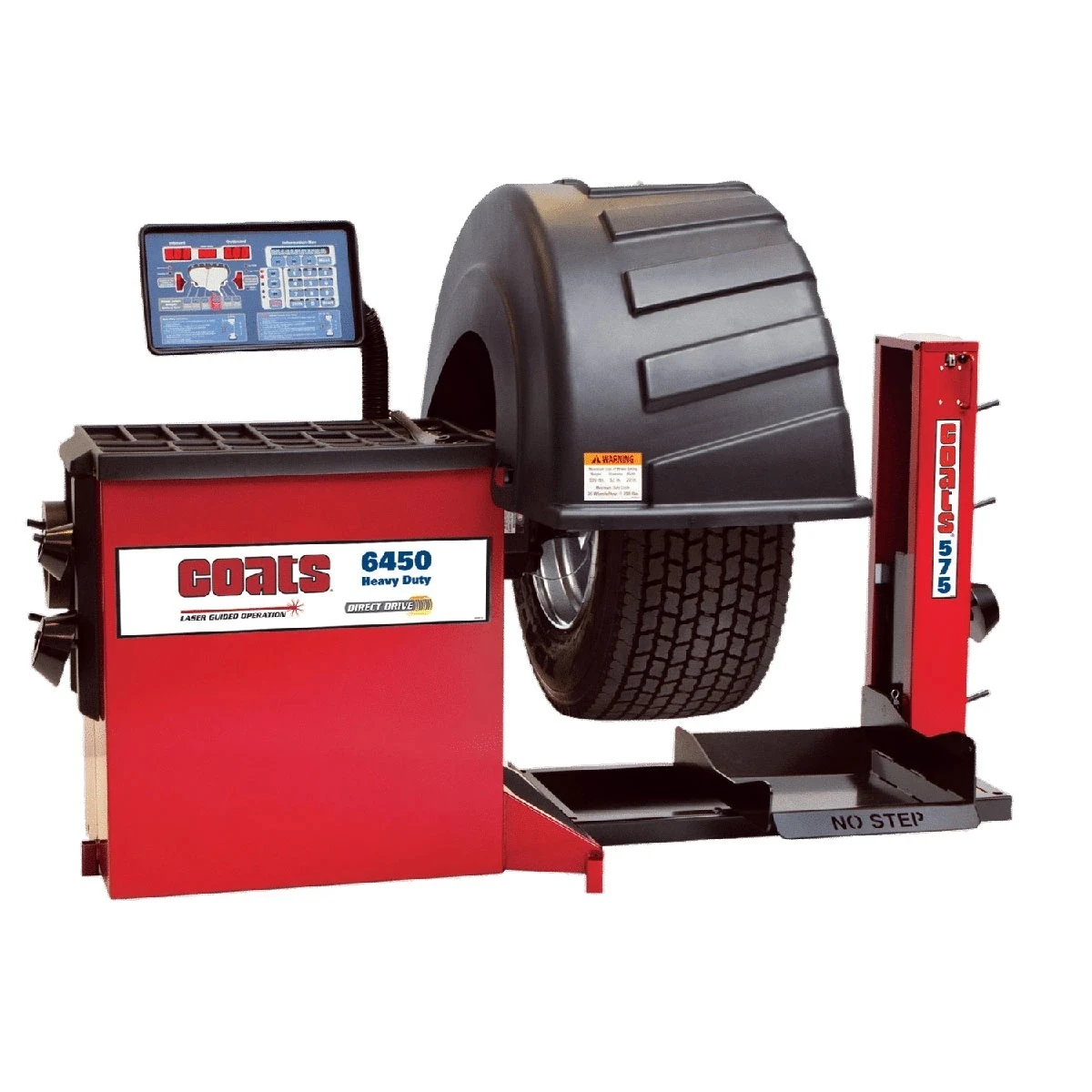
Shops servicing medium-duty trucks, heavy-duty trucks, buses or other commercial vehicles may require a Truck Wheel Balancer specifically designed for larger and heavier wheel assemblies.
When comparing truck and heavy-duty wheel balancing machines, pay close attention to maximum wheel weight, rim diameter, tire diameter, wheel width and available lifting or mounting systems.
Always verify that the individual machine is rated for the wheel-and-tire applications your shop intends to service.
Proper wheel mounting is essential for accurate balancing. Different wheel designs may require specialized cones, collets, flange plates, lug-centric adapters or other accessories to correctly center the wheel on the balancer.
Our Wheel Accessories category includes equipment and accessories that can help expand the range of wheel-and-tire assemblies your shop can service.
Before purchasing additional adapters, verify compatibility with your specific wheel balancer and the wheels you intend to service.
A wheel balancer is commonly paired with a tire changer to create a complete tire service workstation.
If your shop needs both pieces of equipment, our Tire Changer & Wheel Balancer Combos combine tire changing and wheel balancing equipment into convenient packages.
You can also shop Tire Changers separately if you already own a wheel balancer or prefer to build your own tire service equipment combination.
Additional equipment can help create a more complete and productive wheel service department.
TPMS Service Tools can assist with tire pressure monitoring system diagnosis and service, while Wheel Aligners provide equipment for measuring and correcting vehicle alignment. Shops handling large or heavy wheel assemblies may also benefit from Wheel Lifts designed to assist technicians with wheel positioning and handling.
GarageAppeal.com offers professional wheel balancers, wheel balancing machines and tire balancing equipment from leading wheel service equipment manufacturers for automotive repair shops, tire stores, dealerships and commercial service facilities.
Our selection includes computerized wheel balancers, automatic data entry machines, laser-assisted systems, advanced diagnostic balancers and heavy-duty wheel balancing equipment.
Compare capacity, measurement technology, automation, diagnostic features and intended applications to find the right wheel balancer for your shop.
A wheel balancer measures weight imbalance in a wheel-and-tire assembly and identifies where corrective wheel weights should be installed. Correcting the measured imbalance can help reduce vibration and promote smoother vehicle operation.
“Tire balancer” and “tire balancing machine” are commonly used terms when searching for wheel balancing equipment. The machine actually measures the complete wheel-and-tire assembly, which is why wheel balancer is the more precise equipment term.
A computerized wheel balancer uses electronic sensors and software to measure wheel and tire imbalance and calculate the amount and location of corrective weight needed.
The terminology can vary by manufacturer, but 3D wheel balancers generally automate the acquisition of additional wheel dimensions compared with more basic systems. Always compare the specific measurement and data-entry features of each machine rather than relying on the 2D or 3D designation alone.
A diagnostic wheel balancer provides capabilities beyond conventional imbalance measurement. Depending on the machine, this may include runout measurement, wheel geometry analysis or tire and wheel matching functions that can help investigate vibration-related problems.
Compare the balancer's maximum wheel diameter, rim diameter, wheel width and wheel weight capacity with the vehicles your shop regularly services. Also consider the adapters required for specialty or larger wheel assemblies.
Many automotive balancers can accommodate certain light-truck wheel assemblies within their rated capacity. Medium- and heavy-duty truck wheels may require a dedicated truck or heavy-duty wheel balancer. Always verify the machine's specifications for the intended application.
Wheel balancing corrects weight imbalance within the rotating wheel-and-tire assembly. Wheel alignment measures and adjusts the angles of the vehicle's wheels relative to the vehicle and road. They are different services and require different equipment.
The machines perform different functions. A tire changer mounts and demounts tires from wheels, while a wheel balancer measures and corrects imbalance after the tire is mounted. Shops providing complete tire replacement services will generally need both types of equipment.
The right wheel balancer depends on your shop's service volume, wheel sizes, vehicle applications and desired level of automation and diagnostic capability. GarageAppeal.com offers wheel balancing machines ranging from straightforward computerized balancers to advanced automatic, diagnostic and heavy-duty systems. Compare the available models above or contact our team for help selecting the right wheel balancer for your shop.